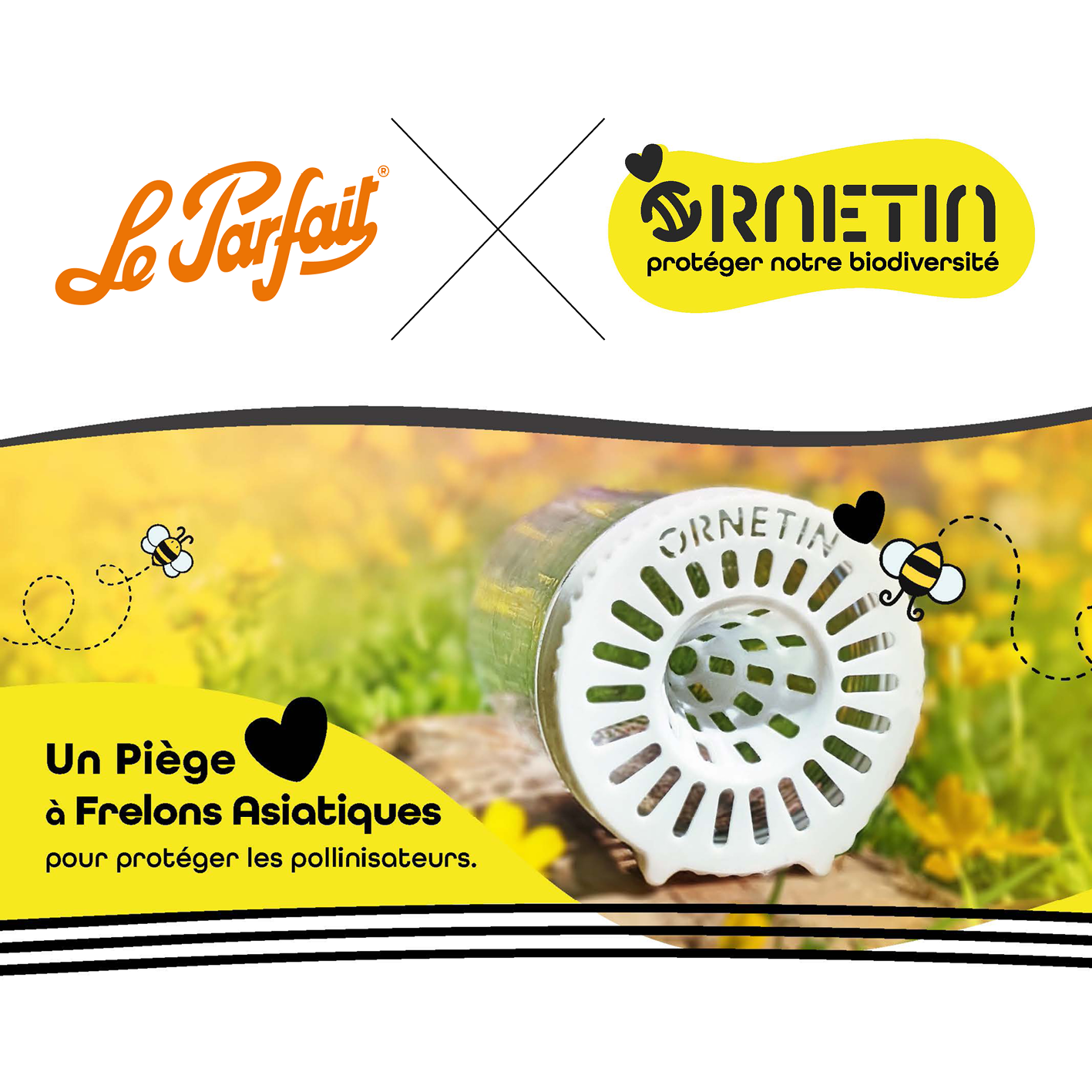
The Growing Peril: Safeguarding Bees and French Biodiversity from the Asian Hornet
The proliferation of the Asian hornet, or
Vespa velutina, represents a significant and escalating ecological and economic challenge across French territory. Since its accidental introduction to France in the early 2000s, this invasive insect has exerted immense predatory pressure on domestic honeybees – essential architects of pollination and critical components of our delicate biodiversity. Confronting this pervasive threat demands a concerted and intelligent response, with citizen mobilization, particularly through the construction of effective trapping devices, proving to be a tangible and necessary solution. The goal is not to wage an indiscriminate war against all insects, but rather to implement targeted, ecosystem-respectful strategies to regulate a species that gravely imperils local ecological equilibrium.
Understanding the Threat: The Asian Hornet's Invasive Journey
Originating from Asia, the Asian hornet is a formidable exotic invasive species. Its unintentional arrival in Europe triggered a rapid colonization, significantly aided by the absence of natural predators and highly favorable climatic conditions. Distinguishing it from its larger European cousin,
Vespa crabro, the Asian hornet is typically slightly smaller, predominantly black with striking yellow legs. Its remarkable adaptability and high reproduction rate have cemented its status as a redoubtable colonizer, profoundly disrupting local ecosystems wherever it establishes itself.
The primary concern associated with the Asian hornet stems directly from its diet. It is an extremely efficient predator of numerous insects, with a particularly marked specialization for domestic honeybees. These opportunistic predators strategically hover in stationary flight directly in front of beehives, lying in wait to capture returning foraging bees. This relentless predation significantly weakens colonies, stressing them to the point where they struggle to survive. A sustained and intense predatory presence can ultimately lead to the collapse and death of an entire hive, unleashing devastating consequences for beekeepers, and, more broadly, for the vital pollination of both agricultural crops and wild flora. The repercussions ripple through the entire food web, impacting fruit production, seed development, and the overall health of natural landscapes.
Strategic Defense: The Power of Early Spring Trapping
The most impactful and efficient strategy in the fight against the Asian hornet involves targeting the founding queens early in the spring season, typically from February through May. Every single queen captured during this crucial window represents one less potential nest for the upcoming summer season. Consider the exponential impact: a single, mature Asian hornet nest can house several thousand individual hornets and release hundreds of new queens in the autumn, each capable of starting her own colony the following year. Therefore, implementing early spring trapping allows us to
piéger frelons asiatiques significantly, containing their proliferation before nests grow into formidable fortresses. This proactive approach is a cornerstone of responsible management. For a deeper dive into how your timing makes a difference, explore
Early Spring Trapping: Your Role in Controlling Asian Hornets.
Understanding the enemy is merely the first step. The next critical phase involves equipping ourselves to act responsibly and effectively. This means not just knowing *when* to act, but *how* to act without causing collateral damage to other beneficial species that share our environment.
Crafting Effective and Selective Traps to Piéger Frelons Asiatiques
The manufacture of an effective and, crucially, selective trap does not require complex equipment; rather, it utilizes simple, readily available materials. The overarching objective is to capture Asian hornets while simultaneously allowing other smaller, non-targeted insects – such as native bees, butterflies, and other vital pollinators – to escape unharmed. A non-selective trap can inadvertently cause more harm than good, depleting beneficial insect populations and further destabilizing the ecosystem we are trying to protect.
The selectivity of well-designed DIY traps typically hinges on two key elements:
- Calibrated Entry/Exit Orifices: The primary mechanism for selectivity is the precise sizing of the entry and exit holes. Specifically, exit holes calibrated at approximately 5.5 millimeters are a proven method. This allows smaller, non-target insects such as common flies, native bees, and butterflies, which are generally smaller than the Asian hornet, to enter, feed, and then easily escape the trap. Asian hornets, being larger, cannot pass through these smaller openings.
- Appropriate Bait Selection: The type of bait used is equally crucial for selectivity. While Asian hornets are attracted to sweet and fermented liquids, certain mixtures can be less appealing to other pollinators. A highly effective and relatively selective bait can be made from a mixture of beer (lager), blackcurrant syrup, and water. Some variations also suggest a small amount of white wine. The alcohol content in beer and wine can deter some beneficial insects, while the sweetness attracts the hornets. Avoid pure sugar water or honey, as these are indiscriminate attractants for honeybees.
When creating your traps, ensure the plastic bottle (often a common soft drink bottle) is clean, and the holes are smooth to prevent injury to escaping insects. Place the bait at the bottom, and invert the top section of the bottle to create a funnel. Regularly check your traps – daily if possible – to release any non-target insects and refresh the bait. This diligence ensures maximum effectiveness and minimal ecological impact. For detailed instructions and diagrams on how to build these crucial devices, refer to our guide:
How to Build Selective Traps to Protect Bees from Asian Hornets.
Citizen Action: A Collective Front Against the Threat
The fight against the Asian hornet is not solely the responsibility of government agencies or professional beekeepers; it requires a strong and informed collective front from citizens. Local initiatives, such as those demonstrated by the Mairie d'Issoudun, which meticulously recorded 16 nests in 2024 and an alarming 52 in 2025, underscore the escalating nature of this expansion. These figures highlight the urgent need for widespread public engagement.
Individuals can contribute significantly by:
- Setting up Traps: As discussed, deploying selective traps in your garden, especially during the crucial spring months, can prevent countless new colonies.
- Monitoring and Reporting: Keep an eye out for Asian hornet activity and, crucially, report any suspected nests to your local authorities or designated environmental agencies. Early detection allows for prompt professional removal, which is essential as these nests can be dangerous to approach.
- Educating Others: Share your knowledge with neighbors, friends, and community groups. Awareness is a powerful tool in collective action.
- Supporting Beekeepers: Understand the challenges faced by local beekeepers and support initiatives aimed at protecting their colonies.
Proper placement of traps is also vital. Position them in sunny, sheltered spots in your garden, particularly near flowering plants, fruit trees, compost heaps, or any areas where hornets might forage or overwinter. Regularly observe the activity around your traps; if you notice a significant number of Asian hornets, it might indicate a nest nearby. While trapping is effective for queens, active nests require professional intervention. Do not attempt to remove a nest yourself, as Asian hornets can be aggressive when threatened.
In conclusion, the Asian hornet poses a clear and present danger to France's invaluable bee populations and the broader tapestry of its biodiversity. The strategic and timely effort to
piéger frelons asiatiques, especially their founding queens in early spring, stands as our most effective line of defense. Through a combination of accurate identification, the deployment of selective homemade traps, and robust citizen engagement, we can collectively mitigate the impact of this invasive species. Protecting our pollinators is not just an ecological imperative; it is an investment in the health of our environment and the future of our agricultural landscapes. Let us continue to act responsibly and proactively to safeguard the delicate balance of nature.