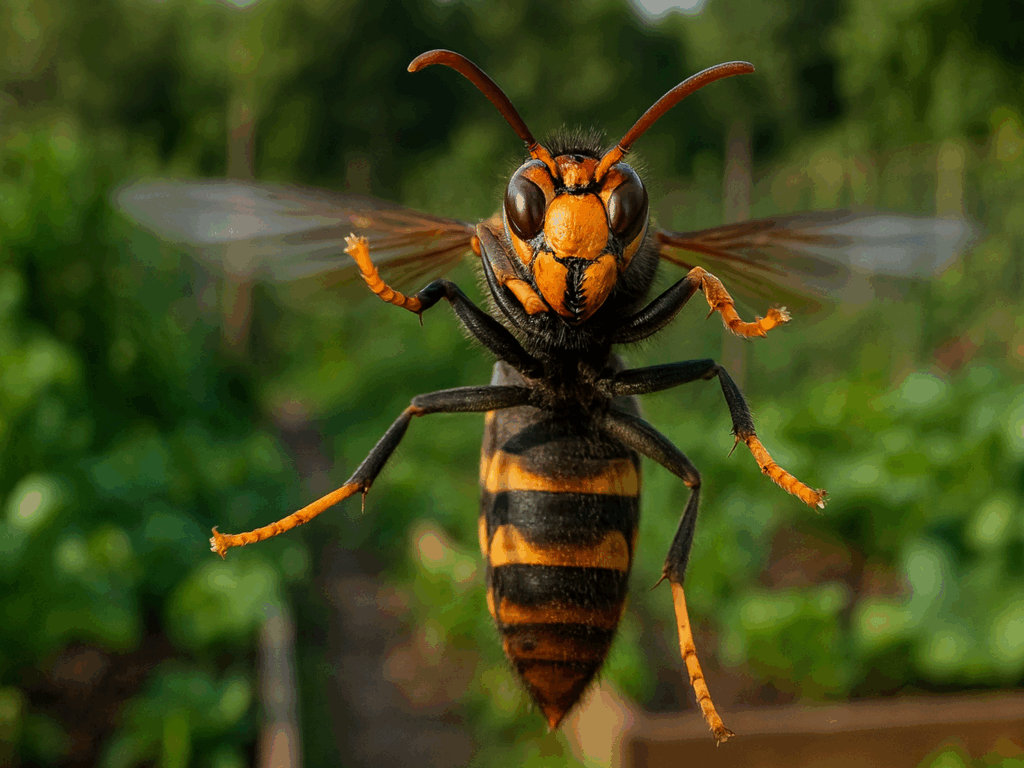
The Silent Menace: Why Selective Trapping is Crucial for Bee Protection
The proliferation of the Asian hornet, or
Vespa velutina, presents a growing ecological and economic challenge across France and increasingly throughout Europe. Since its accidental introduction in the early 2000s, this invasive insect has exerted immense predatory pressure on domestic honeybees, which are indispensable for pollination and maintaining biodiversity. Confronted with this serious threat, citizen mobilization, particularly through the construction and deployment of targeted trapping devices, has emerged as a practical and necessary response. The aim is not to wage an indiscriminate war on all insects, but to implement precise, ecosystem-respectful strategies to regulate a species that jeopardizes local ecological balance.
Understanding and effectively addressing the Asian hornet problem begins with responsible action. The core principle of any successful strategy to
piéger frelons asiatiques (trap Asian hornets) must be selectivity. Non-selective traps risk causing more harm than good by capturing beneficial insects such as butterflies, native bees, and other vital pollinators. This article delves into the importance of selective trapping and provides a comprehensive guide on how to build traps that protect our precious pollinators while effectively curbing the spread of _Vespa velutina_.
Understanding the Enemy: The Asian Hornet (_Vespa velutina_)
The Asian hornet is an invasive exotic species native to Asia. Its accidental introduction into Europe has led to rapid colonization, facilitated by a lack of natural predators and favorable climatic conditions. It is distinguishable from its European cousin,
Vespa crabro, by several key features: it is slightly smaller, predominantly black in color, and possesses striking yellow legs. This species’ remarkable adaptability and high reproduction rate make it a formidable colonizer, profoundly disrupting local ecosystems.
The primary concern associated with the Asian hornet lies in its diet. It is a formidable predator for many insects, with a particular specialization in domestic honeybees. Hornets commonly station themselves in a hovering flight directly in front of beehives, ambushing and capturing foraging bees. This relentless predation significantly weakens colonies, leading to reduced honey production, increased stress, and in severe cases, the complete collapse of a hive. The consequences are devastating for beekeepers and critical for the pollination of agricultural crops and wild plants, impacting food security and overall biodiversity. The relentless pressure from these hornets can decimate an apiary, underscoring the urgency of effective intervention. Learn more about this broader impact in our article on the
Asian Hornet Threat: Safeguarding Bees and French Biodiversity.
The Power of Early Spring Trapping: Targeting the Queens
The most effective strategy to significantly contain the proliferation of Asian hornets is to target the founding queens in early spring, typically from February to May. This period is critically important because each queen captured at this time represents one less potential nest for the upcoming summer season. Consider the exponential impact: a single mature Asian hornet nest can house several thousand individuals and release hundreds of new queens in the autumn. Therefore, early spring trapping allows for a powerful preventative measure, stemming the tide of expansion before nests become formidable fortresses.
During late winter and early spring, newly emerged queens are at their most vulnerable. They emerge from hibernation, often in sheltered locations, and spend this critical period foraging for resources to establish their new colony. They are actively seeking food sources, making them susceptible to baited traps. By eliminating these queens before they can lay their first batch of eggs, we disrupt the entire lifecycle of a potential colony. This strategic window offers the greatest return on effort for anyone looking to
piéger frelons asiatiques effectively. For a deeper dive into this crucial timing, be sure to read
Early Spring Trapping: Your Role in Controlling Asian Hornets.
Crafting Your Selective Trap: A Step-by-Step Guide
Building an effective and, critically, a *selective* trap requires simple, readily available materials. The goal is to capture Asian hornets while allowing other, smaller, non-target insects to escape unharmed. A non-selective trap can cause more harm than good by trapping butterflies, native bees, or other essential pollinators. The selectivity of the recommended trap model hinges on two key elements: precisely calibrated exit holes and an appropriate bait.
**Materials You'll Need:**
* One large plastic bottle (e.g., 2-liter soda bottle)
* A sharp utility knife or box cutter
* A drill with a 5.5 mm drill bit
* String or wire for hanging
* Bait solution (see recipe below)
**Step-by-Step Construction:**
1. **Prepare the Bottle:**
* Carefully cut the top third of the plastic bottle off, just below the neck where it starts to taper.
* Invert this top section and place it into the bottom part of the bottle, creating a funnel. The inverted top should fit snugly inside the base, leaving a gap for insects to enter the trap. You can secure it with staples or tape if it feels loose, but ensure there are no large gaps for hornets to escape prematurely.
2. **Create Entry Points:**
* Around the middle section of the main bottle body (the lower part), cut several small, approximately 1 cm diameter, circular or semi-circular holes. These will serve as additional entry points for hornets, attracting them with the scent of the bait. Make sure these holes are big enough for hornets to enter but ideally small enough to deter larger non-target species.
3. **Integrate Selective Exit Holes:**
* This is the most crucial step for selectivity. Using a drill with a **5.5 mm drill bit**, carefully drill several holes around the upper sides of the main bottle body, near the inverted funnel. These 5.5 mm holes are specifically sized. They allow smaller insects like flies, smaller wasps, and bees to easily exit the trap, as their body diameter is generally smaller than 5.5 mm. However, the larger Asian hornets (which typically have a body width of 6-7 mm or more) will be unable to pass through these openings, trapping them inside. Aim for at least 4-6 such holes.
4. **Prepare the Bait Solution:**
* A highly effective bait for Asian hornets is a sweet, fermented mixture. Avoid pure honey or sweet fruit juices, as these are highly attractive to bees.
* **Recommended Bait Recipe:**
* 1 part dark beer or stout (e.g., 330ml)
* 1 part sweet fruit syrup (e.g., currant, grenadine, or apple syrup – approximately 100-150ml)
* A splash of white wine (optional, about 50ml – helps deter bees even further)
* Mix these ingredients well. The yeast in the beer creates fermentation, producing odors highly attractive to hornets. The wine’s acidity can also be less appealing to bees.
5. **Assemble and Place the Trap:**
* Pour about 10-15 cm (4-6 inches) of the bait solution into the bottom of your assembled trap.
* Use string or wire to create a hanger for your trap.
* **Optimal Placement:** Hang your selective traps in sunny, open areas, preferably near known hornet activity or potential nesting sites (like sheds, garages, or dense vegetation). Placing them near your apiary or in your garden in early spring is ideal. Position them high enough to be out of reach of pets and small children, but accessible for regular maintenance. Avoid placing them directly in bee flight paths to minimize accidental bee capture, though the selective exits should mitigate this risk significantly.
**Maintenance Tips:**
* Check your traps every few days.
* Empty the captured hornets and replenish the bait solution regularly (every 1-2 weeks, or more often if it evaporates or becomes less potent).
* Dispose of captured hornets humanely (e.g., by freezing the trap or drowning them in soapy water before emptying).
Beyond the Trap: Integrated Pest Management and Community Action
While building and deploying selective traps is a powerful weapon in the fight against the Asian hornet, it is crucial to recognize that it is one component of a broader, integrated pest management strategy. Trapping the founding queens significantly curtails new nest formation, but other actions are also vital for comprehensive control.
These actions include diligent monitoring throughout the summer months for the presence of established nests. If a nest is spotted, it's essential to report it to local authorities or specialized pest control services, as nest destruction is a dangerous task best left to trained professionals. Attempting to remove a nest yourself can be extremely hazardous due to the aggressive nature of the hornets.
The collective efforts of citizens are truly indispensable. From an individual constructing a selective trap in their garden to community-wide initiatives for reporting sightings and coordinating trapping efforts, citizen mobilization embodies a proactive response to an environmental threat. By sharing knowledge and resources, communities can amplify their impact, creating a protective buffer for local ecosystems. Educating neighbors and local groups about the threat and the simple steps they can take to
piéger frelons asiatiques responsibly fosters a stronger, more resilient front against this invasive species. Protecting our bees and preserving biodiversity requires ongoing vigilance, smart strategies, and a concerted community effort.