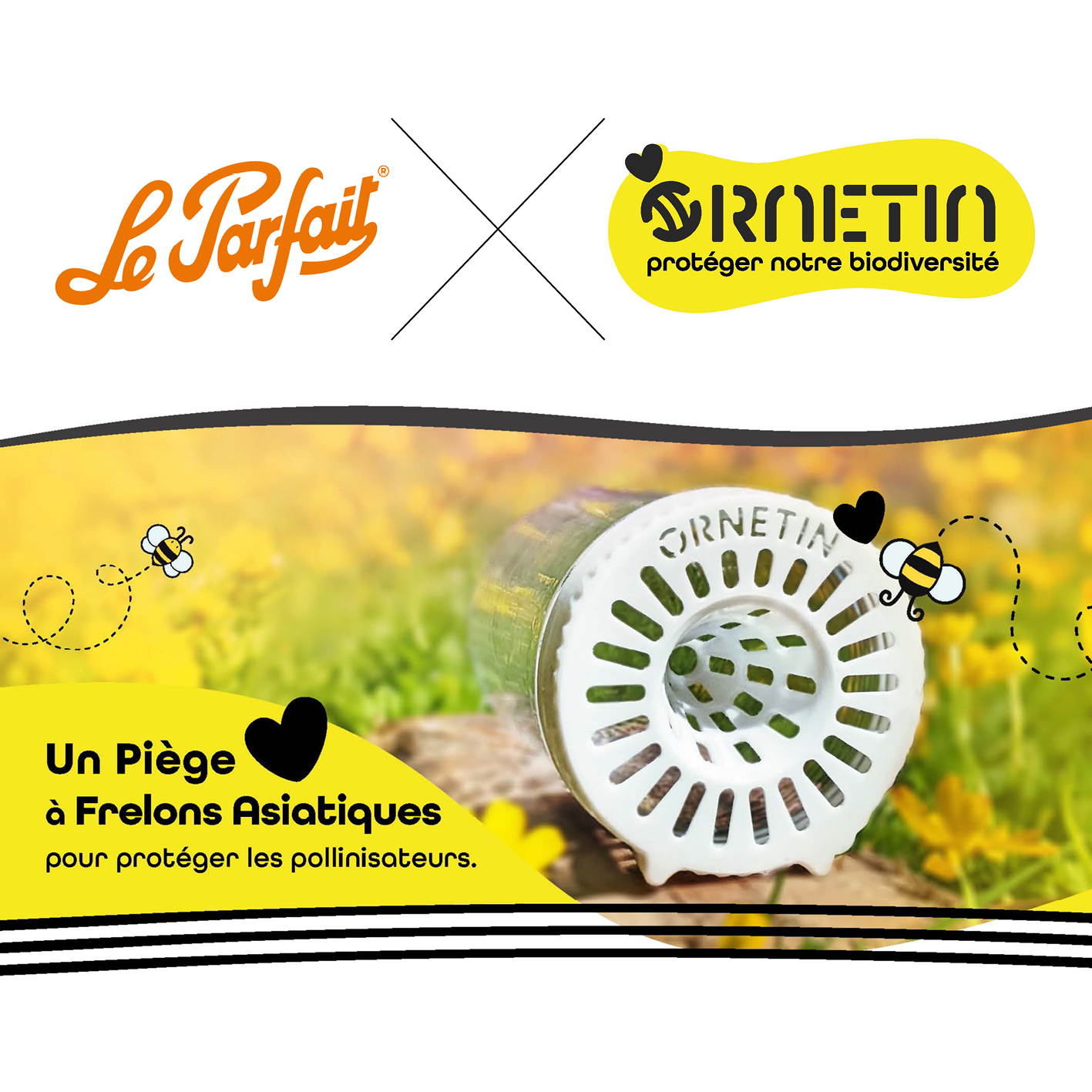
Early Spring Trapping: Your Role in Controlling Asian Hornets
The arrival of spring brings with it not only the beauty of blossoming nature but also a renewed focus on ecological challenges, chief among them the relentless spread of the Asian hornet, or Vespa velutina. An invasive species that first appeared in France in the early 2000s, its proliferation presents a significant ecological and economic threat, particularly to our vital bee populations. These domestic bees are indispensable pollinators, crucial for both agricultural yields and the maintenance of diverse ecosystems.
In the face of this growing menace, citizen mobilization has emerged as a critical line of defense. Engaging in initiatives like constructing and deploying specialized traps, often summarized by the French call to action, "piéger frelons asiatiques" (trapping Asian hornets), represents a tangible and necessary response. This isn't about waging indiscriminate war on all insects; rather, it's about implementing targeted, ecosystem-respectful strategies to regulate a single species that gravely imperils local ecological balance.
Understanding the Threat: The Asian Hornet (_Vespa velutina_)
The Asian hornet is an invasive exotic species, native to Asia, whose accidental introduction into Europe has led to rapid colonization. This rapid expansion has been facilitated by an absence of natural predators in its new environments and favorable climatic conditions. It is distinguishable from its European cousin, Vespa crabro, by its slightly smaller size, predominantly black body, and characteristic yellow legs. Its remarkable adaptability and high reproductive rate render it a formidable colonizer, capable of severely disrupting local ecosystems.
The primary concern associated with the Asian hornet lies in its predatory diet. It is a highly effective hunter of numerous insects, exhibiting a particular specialization for domestic bees. Asian hornets are frequently observed hovering menacingly in front of beehives, ambushing foraging bees. This intense predation significantly weakens bee colonies, and a sustained attack can lead to the complete collapse of a hive. The consequences are dire, impacting not only beekeepers but also the broader pollination of agricultural crops and wild flora, undermining biodiversity and food security.
Understanding the scale of this problem is crucial. For instance, in the French commune of Issoudun, local green spaces services reported a worrying increase from 16 Asian hornet nests in 2024 to 52 in 2025, vividly illustrating the species' expansion phase. This rapid growth underscores the urgency of effective intervention strategies.
The Critical Window: Early Spring Trapping
The most effective strategy in the fight against the Asian hornet is to target the founding queens during their most vulnerable period: early spring, typically from February to May. Each queen captured during this crucial window represents one less potential nest for the upcoming summer season. Consider the exponential impact: a single mature nest can house several thousand individuals and release hundreds of new queens in the autumn. Therefore, early spring trapping, or "piéger frelons asiatiques" at its most impactful, significantly helps to contain proliferation before nests grow into formidable strongholds.
Why is the queen so important? She is the singular architect of an entire colony. Emerging from hibernation, she is solely responsible for founding the new nest, laying eggs, and orchestrating the development of an army comprising hundreds of individuals. Eliminating her at this critical juncture prevents the establishment of an entire colony, making spring trapping a highly efficient and proactive measure against future infestations. This strategic intervention minimizes the colossal effort and resources required to tackle multiple, fully developed nests later in the year.
Responsible Trapping: Beyond Just Catching
While the urge to act is strong, it's paramount that our efforts are both effective and environmentally responsible. The fabrication of an efficient, and crucially, selective trap, requires only simple, readily available materials. The ultimate goal is to capture Asian hornets while simultaneously allowing other smaller, non-targeted insects – especially vital pollinators like our native bees, butterflies, and other beneficial insects – to escape unharmed. A non-selective trap, though it might catch Asian hornets, can cause more harm than good by inadvertently trapping and killing essential pollinators, thereby exacerbating ecological imbalances rather than restoring them.
The selectivity of effective homemade traps hinges on a couple of key design elements. Most notably, calibrated exit holes of precisely 5.5 millimeters are essential. This specific dimension allows smaller, non-target insects to easily exit the trap after being lured in by the bait, while effectively retaining the larger Asian hornets. This thoughtful design ensures that your efforts to build selective traps to protect bees from Asian hornets are truly beneficial, rather than inadvertently destructive. Choosing and designing your trap correctly is the first step in responsible pest control.
Practical Tips for Effective Trapping
Once you understand the 'why' and 'what' of selective trapping, it's time to consider the 'how' for maximum impact:
- Optimal Placement: Place traps in sunny, sheltered spots, ideally near potential food sources for queens (e.g., flowering plants, compost heaps) or known hornet pathways. Consider locations near sheds, fences, or garden borders where queens might be searching for nest-building materials or early food.
- Bait Selection: While not explicitly covered in the context, effective bait is crucial. A common and selective bait recipe involves a mixture of sweet and alcoholic liquids. A good starting point is one-third dark beer, one-third white wine (which deters bees), and one-third blackcurrant or grenadine syrup. Avoid pure sugary solutions that attract more bees.
- Regular Monitoring and Maintenance: Check your traps daily or every couple of days. This allows you to remove captured hornets, release any trapped non-target insects (through the 5.5mm holes), and refresh the bait. Stale bait loses its effectiveness and can attract unwanted insects.
- Safety First: While Asian hornets are generally not aggressive unless their nest is disturbed, exercise caution when handling traps with live hornets. Wear gloves and consider long sleeves. If you encounter a nest, do not attempt to remove it yourself; contact local authorities or professional pest control.
- Seasonal Timing: Remember, the critical period for trapping queens is from late winter/early spring (February) until late spring/early summer (May/June). Trapping later in the season primarily catches workers, which is less effective in preventing colony growth, though it can help reduce predation pressure on hives.
Your involvement, even through simple actions like setting up a single selective trap, contributes significantly to a larger collective effort. Knowing how to identify the enemy and understanding its life cycle empowers you to act responsibly and effectively. This proactive approach helps protect our vital pollinators and maintain the delicate balance of our ecosystems. For a deeper dive into the broader implications, consider reading about the Asian Hornet Threat: Safeguarding Bees and French Biodiversity.
Conclusion
The threat posed by the Asian hornet is multifaceted, impacting biodiversity, agriculture, and the livelihoods of beekeepers across affected regions. However, it is not an insurmountable challenge. Through informed citizen action, particularly the strategic and selective trapping of Asian hornets in early spring, we can significantly mitigate its spread. By targeting the founding queens with well-designed, selective traps, we empower ourselves to protect our precious pollinators and safeguard the ecological harmony of our environments. Your active participation is not just a voluntary effort; it is a vital contribution to a collective defense, ensuring a healthier future for our ecosystems and the vital species within them.